How to Assess North Dakota’s Land Market in 2026
Return to BlogGet cash offer for your land today!
Ready for your next adventure? Fill in the contact form and get your cash offer.
By
Bart Waldon
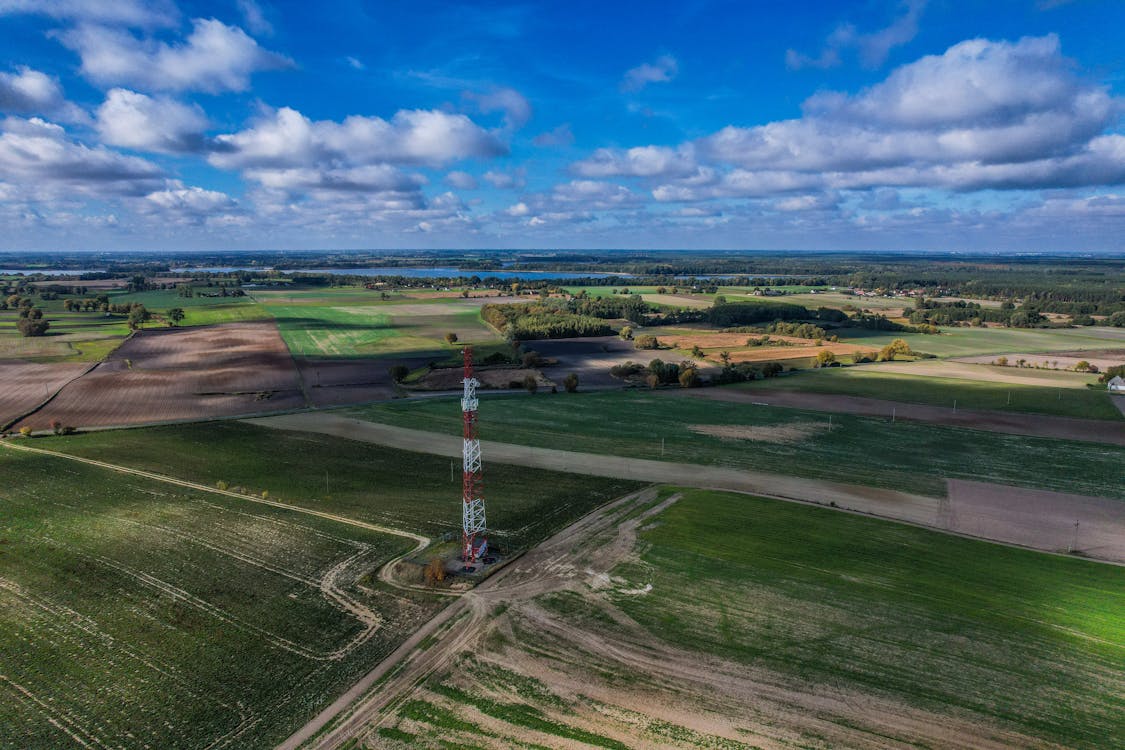
If you’ve ever crossed North Dakota, you’ve seen why the state continues to attract farmers, investors, and long-term landowners: wide-open space, productive soils, and a land market that has stayed active even as broader economic conditions shift. But “opportunity” only matters if you understand what’s driving prices, what’s happening region by region, and how to evaluate a specific tract before you buy—or sell.
North Dakota cropland values: what the latest numbers say
North Dakota’s cropland market has been on a sustained run. According to the North Dakota Department of Trust Lands Annual Land Survey, cropland values increased 10.55% in 2025, marking the fourth consecutive year of double-digit increases.
That momentum isn’t just a one-year spike. The same North Dakota Department of Trust Lands Annual Land Survey reports cropland values grew from $2,519 per acre in 2022 to $3,534 per acre in 2025—a nearly 40% increase over four years. In the middle of that climb, cropland rose 13.5% in 2023 and 11.6% in 2024, also reported by the North Dakota Department of Trust Lands Annual Land Survey.
For a broader snapshot of the state’s land market beyond just cropland survey metrics, Farmland Intel lists the average farmland value per acre in North Dakota in 2024 as $3,241.
Regional performance: where the strongest gains are happening
North Dakota is not a single market—it’s a collection of micro-markets shaped by soil, rainfall, logistics, and local demand. From 2024 to 2025, the North Red River Valley posted the biggest jump at 22.1%, followed by the Northwest region at 19.66%, according to the North Dakota Department of Trust Lands Annual Land Survey.
Strength was also widespread. The same North Dakota Department of Trust Lands Annual Land Survey found that all nine NDSU Extension regions saw cropland value increases from 2024 to 2025, with the North Central region showing the smallest gain at 3.3%.
North Dakota land fundamentals: why buyers stay interested
North Dakota offers more variety than many first-time buyers expect. The Red River Valley’s productivity has long made it a standout for row crops. Western North Dakota brings different terrain, different rainfall patterns, and—depending on the tract—different considerations around minerals and development activity. Across the state, weather can swing quickly, so strong land management and realistic yield expectations matter as much as the purchase price.
In today’s market, many buyers also evaluate land as both a working asset and a long-duration store of value. That mindset can keep demand resilient—but it also raises the bar on due diligence.
How to evaluate a North Dakota land purchase (what to check before you sign)
1) Location and access
In a state where distance affects everything—input costs, grain hauling, labor, and resale—location often drives value just as much as soil. Evaluate:
- Proximity to major hubs such as Fargo, Bismarck, and Grand Forks
- Road quality, year-round access, and potential rail advantages
- Nearby grain facilities, processors, and local competition for acreage
- Neighboring land use (cropping patterns, livestock, conservation ground, or development pressure)
2) Soil productivity and field characteristics
Soil quality remains the core driver of agricultural value. Review:
- Soil type, organic matter, and capability class
- Drainage, salinity risk, and erosion concerns
- Field shape, obstacles, and efficiency for modern equipment
- Yield history and crop rotation, including potential for premium programs
3) Water availability and irrigation potential
Water can be a multiplier—or a limiting factor. Confirm:
- Water rights (if applicable) and any transfer restrictions
- Irrigation infrastructure condition and operating costs
- Surface water access, wetlands, and compliance considerations
- Groundwater quantity and quality where wells are relevant
4) Mineral rights and energy-related considerations
In parts of North Dakota, what’s below the surface can materially affect value and negotiations. Clarify:
- Whether mineral rights convey with the sale
- Existing oil and gas leases, easements, or surface-use agreements
- Potential operational impacts (traffic, access roads, and reclamation terms)
5) Improvements, utilities, and “hidden” operating advantages
Improvements can reduce startup costs and increase usability. Consider:
- Buildings, grain storage, corrals, and handling facilities
- Fencing condition and boundary clarity
- On-site power, water, and modern connectivity (including internet options)
- Existing conservation practices, drainage work, or land leveling
Market reality check: income, returns, and what they mean for buyers
Land values can rise even when farm income softens, so it helps to track both. According to North Dakota Farm Management, average net farm income in North Dakota for 2024 was $118,688, down from $139,574 in 2023. That shift matters because buyer appetite, risk tolerance, and financing capacity often follow profitability with a lag.
At the same time, the yield buyers expect from renting ground has compressed. The North Dakota Department of Trust Lands Annual Land Survey reports the rent-to-value ratio in North Dakota fell to 2.34% in 2025, down from 9–10% thirty-five years ago. In practical terms, many buyers now justify higher prices through a mix of long-term appreciation expectations, operating synergies, and strategic expansion—not rent returns alone.
How to navigate the market without overpaying
Do deeper due diligence than a listing can provide
- Verify taxes and zoning: County offices can confirm assessed values, tax history, zoning limits, and special assessments.
- Use local agronomy and extension expertise: Regional agronomic insight can uncover drainage issues, salinity risk, or management opportunities that don’t show up in a sales brochure.
- Review the land’s history: Ask for crop history, past improvements, and any known environmental or dumping concerns.
- Track credible market data: Compare the tract to recent sales and region-level trends rather than relying on statewide averages alone.
Bring in specialists when the dollars get real
- A qualified land appraiser with North Dakota ag comps
- An agronomist or farm management consultant to evaluate productivity and costs
- An attorney who routinely handles rural property, minerals, and easements
Expect volatility—and plan for it
Commodity prices, interest rates, input costs, and weather can change the math quickly. A strong purchase still needs a margin of safety: conservative yield assumptions, realistic capex estimates, and a clear plan for operating or leasing.
Thinking of selling North Dakota land? What to expect
When you sell rural land, timing and strategy matter as much as the acres themselves. Keep these realities in mind:
- Sales timelines can be long: Bare land often takes 1–2 years to sell, especially if the tract is remote or highly specific in its best use.
- Marketing needs to match the buyer pool: The right listing package includes clean legal descriptions, maps, soil data, access details, and transparent terms.
- Negotiation is part of the process: Buyers will ask about soils, drainage, lease terms, minerals, and any encumbrances—prepare answers in advance.
- Cash sales can reduce friction: For owners who value speed and certainty, a cash sale may trade some upside for fewer contingencies and a faster close.
Final thoughts
The North Dakota land market remains active, but it’s also more data-driven than ever. The latest surveys show sustained value growth statewide, meaningful regional differences, and tighter rent-based returns—signals that today’s buyers and sellers need clear numbers and clear goals.
If you’re evaluating your next move—whether you’re buying a productive tract in the Red River Valley or selling acreage in the west—focus on fundamentals (soil, access, water, and legal rights), benchmark against current regional data, and don’t hesitate to bring in experienced local professionals.
.jpg)
Related Posts.
